
-
By magnet
-
May 14, 2026
- 0 Comment
Magnetic Levitation Motor — Core Enabler in the Ultra-Low Temperature Refrigeration Field
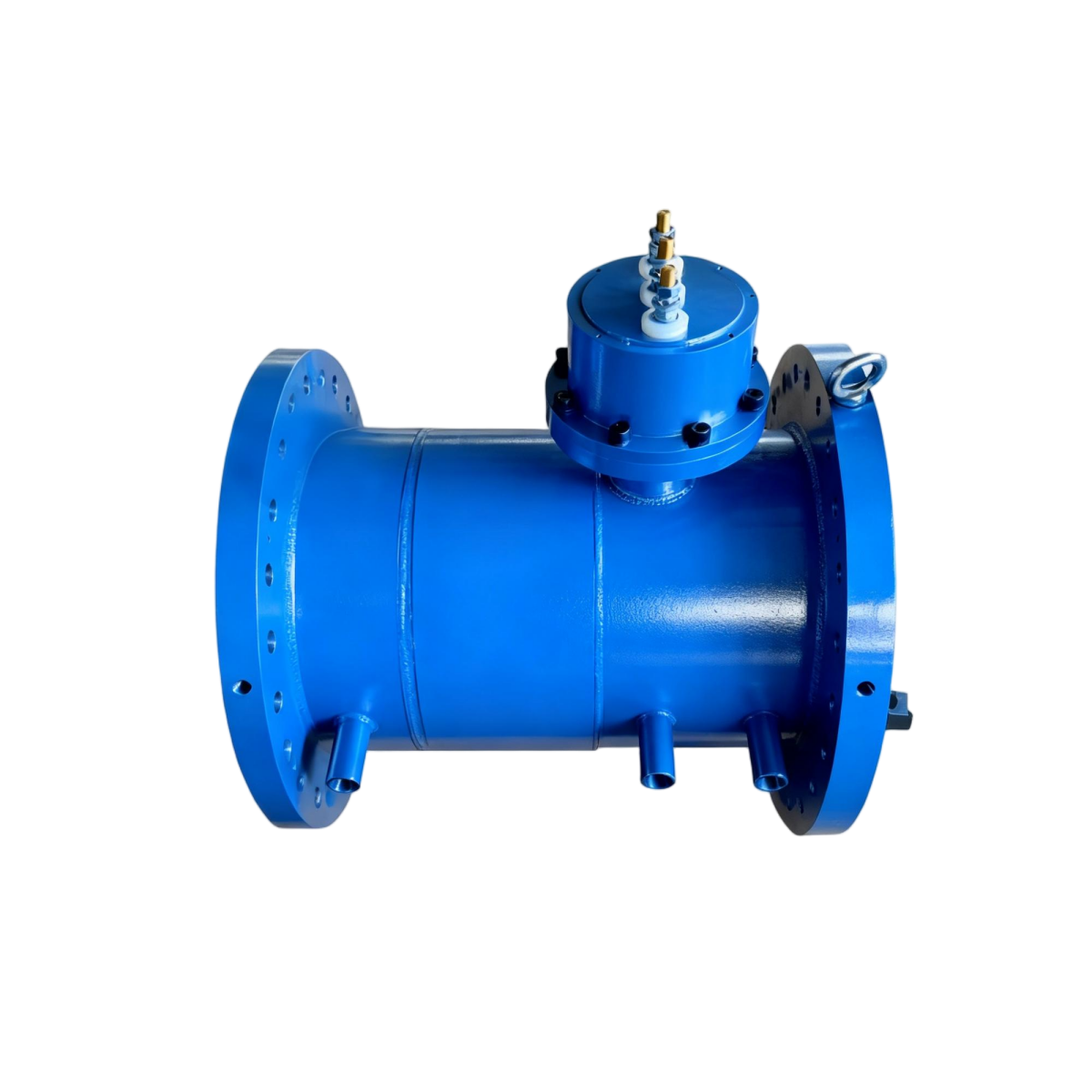
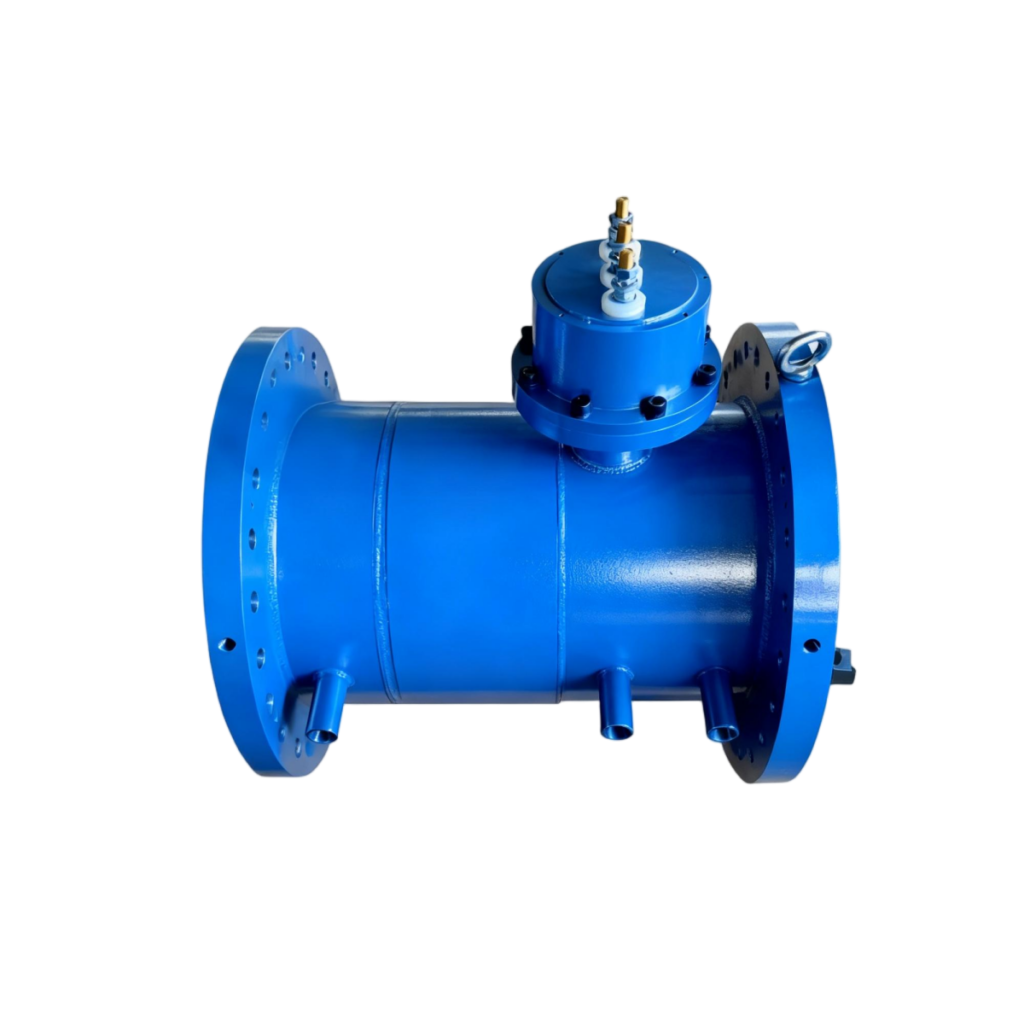
As ultra-low temperature refrigeration technology becomes a core support for achieving key technological breakthroughs in high-end fields such as hydrogen energy industrialization and superconducting material applications, power stability, reliability, and efficiency under extreme low-temperature conditions have become core requirements for high-quality industry development. The magnetic levitation motor independently developed by Hangzhou BOMAG ELECTRIC MOTOR Co., Ltd. relies on a disruptive technical architecture and refined design, successfully breaking through long-standing technical bottlenecks in the ultra-low temperature refrigeration field. With core advantages such as frictionless operation, high-speed output, and adaptability to extreme cold, it has become an indispensable core power component in ultra-low temperature refrigeration systems.
Breaking Through Extreme Conditions, Demonstrating the Strength of Magnetic Levitation Technology
At present, traditional motors on the market generally adopt mechanical bearing drive modes, which have problems such as high friction loss, high energy consumption, and poor low-temperature adaptability. Especially under ultra-low temperature conditions, mechanical components are prone to jamming and accelerated wear, making it difficult to meet the stringent requirements of ultra-low temperature refrigeration scenarios and unable to operate stably for long periods. The magnetic levitation motor developed by BOMAG completely eliminates the constraints of traditional mechanical bearings by adopting a magnetic levitation drive mode. Through magnetic levitation technology, a stable suspension gap of 0.1–0.3 mm between the rotor and stator is achieved, with no mechanical contact, fundamentally eliminating energy loss and component wear caused by mechanical friction. It fully meets the stringent operating standards and long-term stability requirements under ultra-low temperature environments, with environmental adaptability far exceeding traditional motors on the market.
The motor is equipped with high-precision position sensors (accuracy up to ±1 μm) and fast-response power electronic controllers (response time ≤ 0.1 ms), forming a precise triple closed-loop control system for position, speed, and torque. Even in extremely low-temperature environments, it can maintain stable output of speed and torque, with core performance unaffected by low temperatures. Its operational reliability and stability are significantly superior to similar products on the market. In addition, the energy conversion efficiency of this magnetic levitation motor can exceed 98%, saving 25%–40% energy compared with traditional induction motors. In ultra-low temperature refrigeration scenarios, it not only ensures refrigeration efficiency and meets low-temperature requirements, but also achieves significant energy savings, balancing environmental benefits and economic benefits, and effectively helping enterprises reduce operating costs.
Liquid Hydrogen Refrigeration Compressors: Solving Bottlenecks in Hydrogen Storage and Transportation
In the field of liquid hydrogen refrigeration compressors, hydrogen energy, as a clean and efficient new energy source, faces a major bottleneck in storage and transportation efficiency. The mainstream industry still adopts gaseous transportation, where a single tanker can transport only about 500 kg of hydrogen. Due to pressure differences, about 15%–20% of hydrogen cannot be effectively filled into storage tanks, resulting in serious resource waste. At the same time, the filling process is complex and time-consuming, severely restricting the large-scale and commercial development of the hydrogen energy industry.
Hydrogen liquefaction requires extremely harsh conditions of -253°C (20K), which places extremely high demands on the speed, low-temperature adaptability, and operational stability of refrigeration compressors and drive motors. Traditional motors are limited by structural design and material performance and cannot meet such extreme temperature and high-speed operation requirements. The 10 kW 80,000 RPM magnetic levitation motor independently developed by BOMAG successfully breaks through this technical barrier and can stably operate at temperatures as low as 4K (far exceeding the 20K requirement for hydrogen liquefaction). When paired with dedicated refrigeration compressors, it enables efficient and stable cooling, supporting large-scale liquefied hydrogen storage.
This increases the hydrogen transport capacity of a single tanker to 4 tons—eight times that of traditional gaseous transport—while effectively solving hydrogen loss caused by pressure differences and significantly shortening filling time. It greatly improves hydrogen storage and transportation efficiency, reduces losses, removes key obstacles for large-scale hydrogen industry development, and strongly promotes the industrialization of hydrogen energy, supporting green and low-carbon energy development.
Superconducting Material Cryogenic Refrigeration: Promoting Industrialization of Superconducting Technology
In the field of superconducting material cryogenic refrigeration, YBCO (yttrium barium copper oxide) high-temperature superconducting materials have broad application prospects in power transmission, special motors, high-end medical equipment, and aerospace equipment due to their excellent current-carrying performance and flux pinning capability. However, their superconducting performance highly depends on a stable low-temperature environment.
Currently, refrigeration for YBCO superconducting materials mainly relies on traditional liquid nitrogen cooling or conventional refrigeration compressors, which generally suffer from poor cooling stability, high energy consumption, and high operation and maintenance costs, and cannot maintain stable low temperatures for long periods, severely restricting the industrialization of superconducting technology. In response, BOMAG has introduced high-power magnetic levitation motor-driven refrigeration compressors. Leveraging the core advantages of frictionless operation, high speed, and extreme cold resistance, combined with proprietary control algorithms and precision structural design, these systems achieve efficient and stable refrigeration. They can replace traditional liquid nitrogen cooling methods and maintain stable low-temperature environments over long periods, significantly improving the current-carrying capacity and flux pinning performance of YBCO superconducting materials, effectively promoting the transition of superconducting technology from laboratory research to industrial application, while greatly reducing energy consumption and maintenance costs.
Independent Innovation as the Foundation, Hard-Core Quality Control
BOMAG has long focused on the ultra-low temperature refrigeration field, targeting core industry pain points and development needs. Relying on its core technological advantages, it has established two benchmark application scenarios: liquid hydrogen refrigeration and superconducting material refrigeration. With irreplaceable technical competitiveness, it helps hydrogen energy and superconducting industries break through development bottlenecks and promotes high-quality development of the ultra-low temperature refrigeration industry, providing strong support for national high-end manufacturing and clean energy strategies.
BOMAG has deep expertise in motor R&D and manufacturing. By relying on mature production processes and strict quality control systems, it applies high-performance permanent magnet materials to magnetic levitation motor development, further improving magnetic performance and operational stability, and laying a solid foundation for ultra-low temperature applications. The motor can operate stably within a wide temperature range of -40°C to 150°C, meeting diverse application needs. Especially in ultra-low temperature scenarios, maintenance frequency is greatly reduced, with maintenance cycles extended by three times compared with traditional motors, significantly lowering operation and maintenance costs and reducing downtime losses, providing reliable guarantees for long-term stable operation.
With advanced production equipment and refined manufacturing processes, BOMAG ensures that every magnetic levitation motor maintains consistent high quality and stability, meeting the requirements of various harsh industrial scenarios such as ultra-low temperature refrigeration.
Beyond Ultra-Low Temperature: Enabling Multi-Industry Applications
BOMAG’s magnetic levitation motors not only demonstrate outstanding technical advantages in ultra-low temperature refrigeration but also enable upgrades across multiple industries and full application scenarios. In addition to liquid hydrogen and superconducting refrigeration, the motors cover a wide power range of 1–1000 kW and can be flexibly applied in industrial manufacturing, clean energy, high-end medical, and aerospace fields. They provide efficient and stable power support for equipment such as blowers, compressors, and vacuum pumps, continuously expanding application boundaries.
In ultra-low temperature refrigeration in particular, BOMAG’s magnetic levitation motor technology shows exceptional advantages. With core features such as frictionless operation, high speed, extreme cold resistance, and low loss, it solves key industry pain points—from improving hydrogen storage and transportation efficiency to enabling superconducting technology industrialization, and from addressing critical challenges to empowering high-end industry upgrades. With its irreplaceable technical strength, it has become a preferred power solution in the ultra-low temperature refrigeration field and has gained wide recognition from industry customers.
Partner with BOMAG to Empower High-Quality Industrial Development with Magnetic Levitation Technology
BOMAG adheres to the concepts of energy saving and consumption reduction, fulfills its mission of green development, and drives industrial upgrading with precision and efficiency. In the ultra-low temperature refrigeration field, BOMAG’s magnetic levitation motor is not only an upgrade of traditional motor technology but also a core driving force and key support for high-quality industry development. It completely breaks through the performance limitations of traditional motors under low-temperature conditions.
With core advantages such as frictionless operation, high-speed output, low maintenance cost, and high-precision control, it helps enterprises reduce energy consumption, improve production efficiency and product quality, and promotes the transformation of hydrogen energy and superconducting industries toward green, intelligent, and high-end development. It provides strong support for achieving carbon neutrality goals and upgrading high-end manufacturing.
Choosing BOMAG magnetic levitation motors means choosing core competitiveness in the ultra-low temperature refrigeration field, more reliable power assurance, more efficient solutions, and a more sustainable development path. BOMAG will continue to rely on magnetic levitation technology innovation, continuously break through low-temperature operation limits, optimize product performance, and empower future industrial development. It is willing to work hand in hand with partners from various industries to deepen technical cooperation, achieve mutual benefit and win-win results, and jointly promote the high-quality development of the ultra-low temperature refrigeration field and the advancement of high-end industrial technology.